
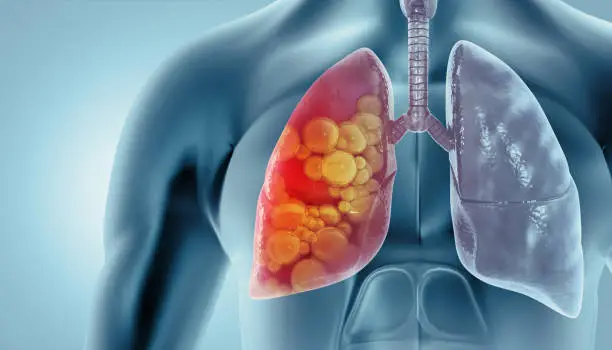
Tuberculosis (TB) can affect the lungs and other parts of the body and may cause persistent respiratory or general symptoms. Pulmonary TB can be associated with prolonged cough, fever, night sweats, tiredness, weight loss and, in some cases, blood in the sputum.
Dr. Neel Mehta is a Chest Physician and Interventional Pulmonologist in Kurla, Mumbai, with 13 years of experience in respiratory medicine. He evaluates patients with persistent respiratory symptoms and reviews their clinical history and investigation reports to determine the appropriate approach for suspected or diagnosed tuberculosis.Best Doctor For Tuberculosis in Kurla, Mumbai
What Is Tuberculosis?
Tuberculosis is a bacterial infection that can affect the lungs and other organs. Pulmonary TB is the most common form and can affect breathing and overall health when not properly evaluated and treated.
TB spreads through the air when a person with infectious pulmonary or laryngeal tuberculosis releases bacteria while coughing, sneezing, speaking or singing. The risk of transmission can vary based on factors such as the site of infection, treatment status and ventilation.
Types of Tuberculosis
Latent TB Infection - In latent TB infection, TB bacteria are present in the body but are not causing active disease. People with latent TB infection generally do not have symptoms and do not spread TB to others. Without appropriate evaluation and treatment, latent infection can sometimes progress to active TB disease.
Active Tuberculosis - Active TB occurs when TB bacteria multiply and cause disease. Symptoms depend on the part of the body affected. Pulmonary TB can cause respiratory and general symptoms that may require medical evaluation.
Symptoms of Tuberculosis
Symptoms of tuberculosis can vary depending on whether the infection affects the lungs or another part of the body. Pulmonary TB may cause persistent cough, fever, night sweats, tiredness, weight loss and other respiratory symptoms.
- Cough that persists for several weeks
- Cough with sputum
- Blood-streaked sputum
- Chest pain
- Breathlessness
- Fever
- Night sweats
- Unexplained weight loss
How Does Tuberculosis Spread?
TB can spread through the air when a person with infectious tuberculosis of the lungs or throat releases bacteria into the surrounding air.
The risk of transmission can be higher in crowded or poorly ventilated indoor environments. People who live or spend extended periods with someone who has infectious TB may have a greater risk of exposure.Learn by Dr. Neel Mehta
Who Is at Higher Risk of Tuberculosis?
Although TB can affect anyone, certain factors may increase the risk of developing tuberculosis disease.
These can include:
- Close or prolonged exposure to someone with infectious TB
- Living or working in crowded environments
- Certain conditions that weaken the immune system
- Diabetes and some other chronic medical conditions
- Certain medicines that suppress immune function
- Tobacco use
- Malnutrition
- Previous untreated or inadequately treated TB infection
How Is Tuberculosis Diagnosed?
The evaluation of suspected tuberculosis depends on the symptoms, site of infection and clinical findings.
Depending on the situation, a doctor may recommend:
- Medical history and physical examination
- Chest X-ray or other imaging
- Sputum examination
- Molecular tests for TB bacteria
- Culture testing
- Blood tests or skin testing for TB infection
- Additional investigations when tuberculosis affects organs outside the lungs
How Is Tuberculosis Treated?
Tuberculosis is treated with anti-TB medicines prescribed according to the type of infection and the patient's medical condition. Treatment generally involves a combination of medicines taken for a specified period.
Patients should follow the treatment schedule provided by their doctor, attend follow-up appointments and inform the doctor about any side effects or difficulties while taking the medicines. Treatment should not be stopped or changed without medical advice.
What Is Drug-Resistant Tuberculosis?
Drug-resistant tuberculosis occurs when TB bacteria do not respond to one or more medicines commonly used to treat the infection. It may require additional testing and a different treatment approach.
Patients with suspected drug-resistant TB should receive evaluation from an experienced doctor so that treatment can be planned according to the available test results and clinical findings.Best Doctor For Tuberculosis in Kurla, Mumbai
Possible Complications and Effects of Tuberculosis
When tuberculosis is not identified or treated appropriately, complications can occur. The type of complication depends on which part of the body is affected.
Possible complications may include:
- Lung damage
- Persistent breathing problems
- Significant bleeding from the airways
- Tuberculosis affecting the lymph nodes
- Bone or joint involvement
- Tuberculosis affecting the brain or meninges
- Kidney or abdominal involvement
- Persistent or recurrent infection
Early medical evaluation can help identify the condition and guide appropriate management.
How Can Tuberculosis Be Prevented?
Preventing tuberculosis involves early identification of infectious cases, appropriate treatment and following medical advice to reduce transmission.
Helpful measures may include:
- Seeking medical evaluation for persistent symptoms
- Completing prescribed TB treatment
- Maintaining good ventilation indoors
- Following respiratory hygiene practices
- Following medical advice regarding close contacts
- Avoiding tobacco use
- Getting evaluated after significant exposure to infectious TB when advised
When Should You Consult a Tuberculosis Doctor?
You should consider consulting a chest physician if you have persistent respiratory symptoms, abnormal chest imaging, a history of TB exposure or concerns about a previous TB diagnosis.
Medical evaluation may be appropriate if you have:
- Persistent cough
- Blood in the sputum
- Unexplained weight loss
- Persistent or recurrent fever
- Night sweats
- Ongoing breathing difficulties
- Abnormal chest X-ray findings
- Previous exposure to tuberculosis
- Suspected or previously diagnosed TB
Not every person with these symptoms has tuberculosis. Proper medical assessment and appropriate testing are important before starting treatment.
Why Choose Dr. Neel Mehta for Tuberculosis in Kurla?
Dr. Neel Mehta is a Chest Physician and Interventional Pulmonologist with 13 years of experience in respiratory medicine. He has qualifications including MBBS, DTCD and DNB in Respiratory Medicine, along with specialized training in interventional pulmonology.
He provides evaluation and care for tuberculosis and respiratory conditions such as persistent cough, breathing difficulties, abnormal chest findings and other lung-related concerns.He provides evaluation and care for tuberculosis and respiratory conditions such as persistent cough, breathing difficulties, abnormal chest findings and other lung-related concerns. To consult Dr. Neel Mehta Best doctor for tuberculosis in Kurla, Mumbai, call +91 9820141636 to book an appointment.
Conclusion
Dr. Neel Mehta provides consultation for tuberculosis and other respiratory conditions in Kurla, Mumbai. Patients with persistent cough, breathing difficulties, abnormal chest findings or suspected TB can seek appropriate medical evaluation and testing based on their symptoms and clinical needs. To schedule a consultation, call +91 9820141636.
Frequently Asked Questions About Tuberculosis
Q.1. What is tuberculosis?
Ans - Tuberculosis (TB) is an infectious disease caused by Mycobacterium tuberculosis. It most commonly affects the lungs but can also involve other parts of the body.
Q.2. What are the common symptoms of tuberculosis?
Ans - Common symptoms may include persistent cough, fever, night sweats, tiredness, unexplained weight loss, reduced appetite, chest discomfort and blood in the sputum in some cases.
Q.3. How does tuberculosis spread?
Ans - Infectious tuberculosis of the lungs or throat can spread through the air when an infected person coughs, sneezes, speaks or sings. The risk can be higher in crowded or poorly ventilated spaces.
Q.4. What is the difference between latent TB and active TB?
Ans - Latent TB infection means the bacteria are present in the body without causing active disease or symptoms. Active TB occurs when the bacteria are multiplying and causing illness and may be infectious when the lungs or throat are affected.
Q.5. How is tuberculosis diagnosed?
Ans - TB diagnosis may involve a medical examination, chest imaging and testing of sputum or other samples. Molecular tests, culture or other investigations may be recommended when appropriate.
Q.6. Can tuberculosis be treated?
Ans - Yes. Tuberculosis can be treated with anti-TB medicines prescribed according to the type of infection and other clinical factors. Treatment should be taken under medical supervision and completed as advised.
Q.7. How long does tuberculosis treatment take?
Ans - Treatment duration varies depending on the type and site of tuberculosis, drug-susceptibility results and the patient's individual condition. Your doctor will determine the appropriate treatment plan.
Q.8. Can tuberculosis affect parts of the body other than the lungs?
Ans - Yes. Tuberculosis can affect areas such as the lymph nodes, bones, joints, brain, kidneys and abdomen. Symptoms depend on the part of the body involved.
Q.9. Can tuberculosis spread to family members?
Ans - Infectious pulmonary or laryngeal TB can spread to close contacts through the air. Household members and other close contacts may be advised to undergo medical evaluation based on their exposure.
Q.10. What is drug-resistant tuberculosis?
Ans - Drug-resistant TB occurs when TB bacteria are resistant to one or more medicines used to treat the infection. It requires careful testing and a treatment plan supervised by a qualified doctor.
Q.11. When should I consult a tuberculosis doctor?
Ans - You should consult a doctor if you have a persistent cough, unexplained weight loss, night sweats, prolonged fever, blood in the sputum, abnormal chest imaging or known exposure to tuberculosis.
Q.12. Where can I consult Dr. Neel Mehta for tuberculosis in Kurla?
Ans - Dr. Neel Mehta provides consultation for tuberculosis and other respiratory conditions at Neelam Hospital in Kurla, Mumbai. Patients can call +91 9820141636 for appointment information.
Service Areas
Sahara Hotel | Wadia Colony, Kismat Nagar | Kurla Christian Village | Lal Bahadur Shastri (L.B.S.) Marg | Kirol Road | Kurla East | Kurla West | Chunabhatti | Sion | Chembur | Ghatkopar | Vidyavihar | Vikhroli | Tilak Nagar |
 WhatsApp